

The Bull Market Celebrates Turning 2!
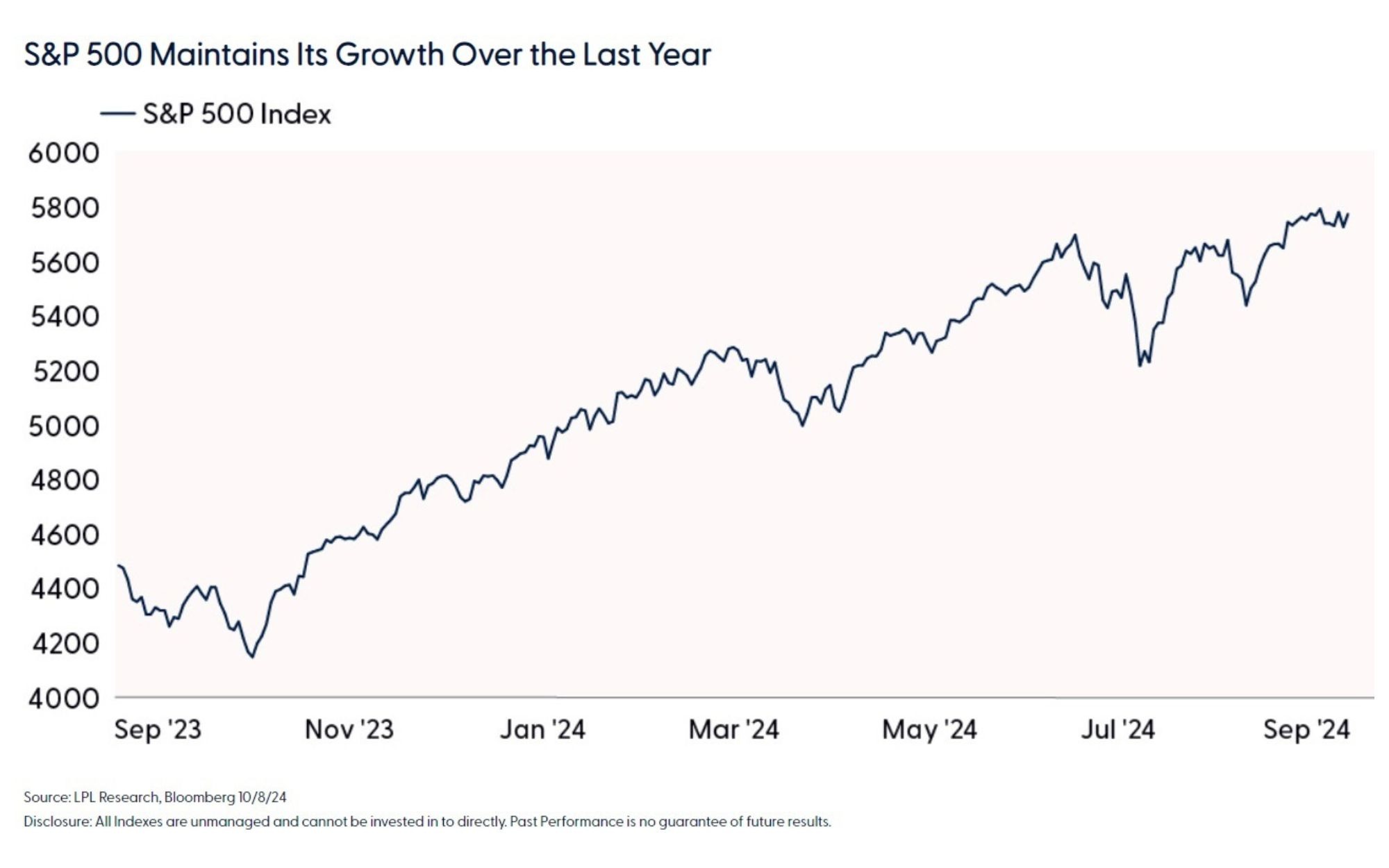
The S&P 500 bull market recently turned two years, clocking in with an impressive 63% two-year gain (excluding dividends)!
On October 12, 2022, market sentiment was low when the S&P 500 closed at 3,577.03 and inflation was still running hot even though the Federal Reserve (Fed) began its rate-hiking campaign earlier in the year.
As we have shared in the past, when market volatility occurs, it is a natural response to want to sell in an effort to stop the losses. However, "buying the dip" and staying invested is often a better strategy in the midst of market pullbacks for investors with a long-term time horizon.
We've outlined below just how far the bull has come.
Can The Bull Continue To Run Higher?
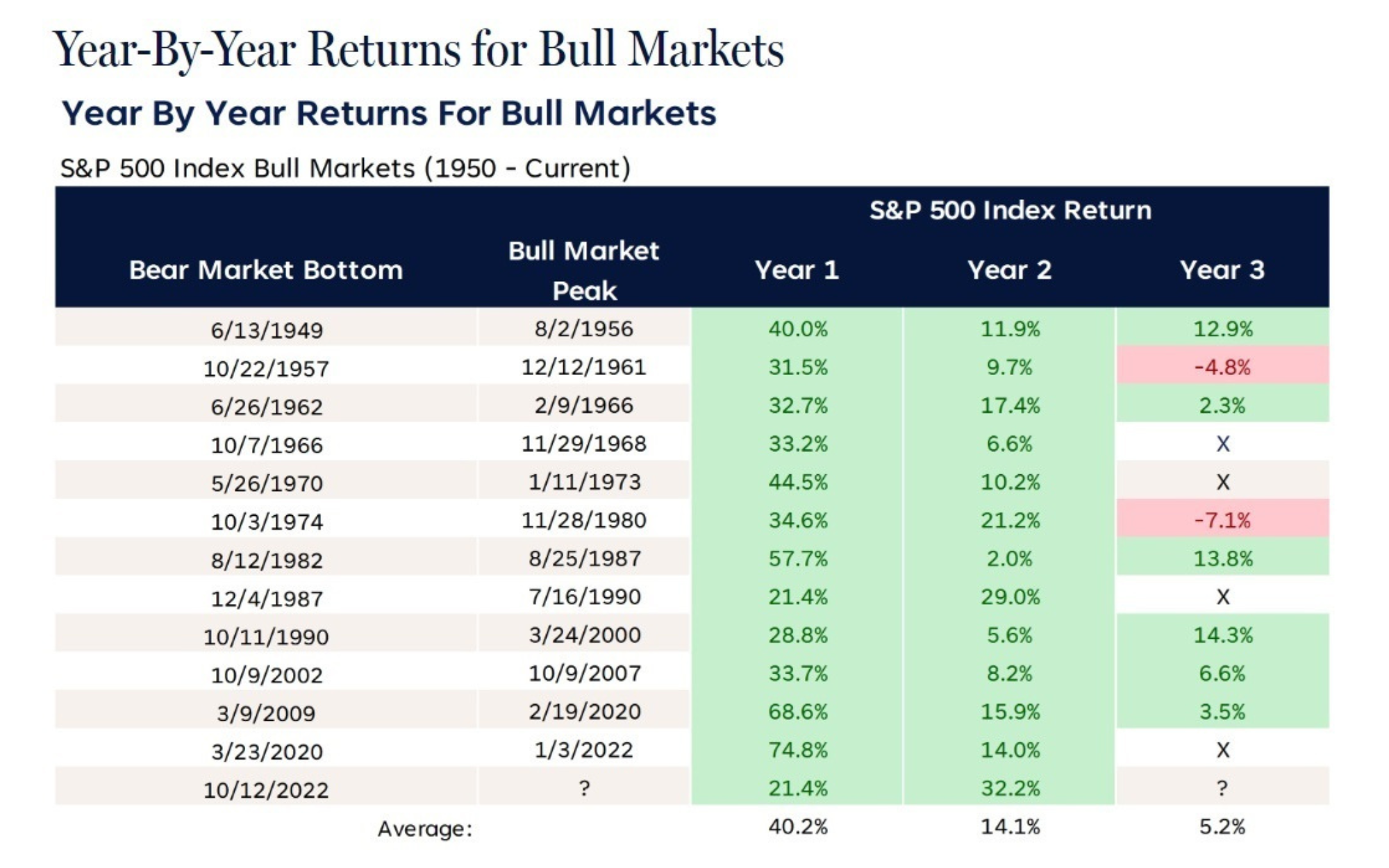
We expect the bull entering its third year will need to maneuver around volatility, uncertainty, and a host of other obstacles. History shows us that including the past 16 bull markets, 12 of them were able to celebrate a third birthday with still solid gains.
There’s no compelling reason that this bull should surrender to the always-lurking bear, especially with an accommodative Fed, solid economic underpinning, and an earnings outlook poised for stable growth.
The election will come and go with a new occupant in the White House, which historical patterns suggest doesn’t affect the market either way.
Source: LPL Research, FactSet 10/10/24
Disclosures: All indexes are unmanaged and cannot be invested into directly. Past performance is no guarantee of future results.
The modern design of the S&P 500 Index was first launched in 1957.
Performance before then incorporates the performance of its predecessor index, the S&P 90.
What Does The Bull Require To Continue?
The debate over the strength of the underlying economic backdrop continues, however, the data suggests that while economic growth has eased from being stellar to solid, recession fears have been alleviated. Moreover, the Fed appears poised to continue lowering rates if the disinflationary trend continues on pace.
Corporate earnings are expected to rise, with operating margins remaining at a healthy level. Consumer spending continues to edge higher, albeit with consumers increasingly careful and discerning. With the Fed’s commitment towards its maximum employment mandate, it’s expected that the Fed will lower rates at a more aggressive pace should the labor market indicate signs of deterioration, helping to cushion overall economic weakness and help underpin consumer sentiment.
The Fed’s path towards a soft landing has also supported the bull market thesis, although the Fed has acknowledged that the path towards declaring victory on bringing inflation closer to its “price stability” mandate could be “bumpy.”
If you have specific questions or would like to discuss your own investment strategy or financial planning needs, we welcome you to call us at 302.234.5655 or email us at contactus@covenantwealthstrategies.com to set up time to discuss further.
Disclosures:
This material is for general information only and is not intended to provide specific advice or recommendations for any individual. There is no assurance that the views or strategies discussed are suitable for all investors or will yield positive outcomes. Investing involves risks including possible loss of principal. Any economic forecasts set forth may not develop as predicted and are subject to change.
References to markets, asset classes, and sectors are generally regarding the corresponding market index. Indexes are unmanaged statistical composites and cannot be invested into directly. Index performance is not indicative of the performance of any investment and do not reflect fees, expenses, or sales charges. All performance referenced is historical and is no guarantee of future results.
Any company names noted herein are for educational purposes only and not an indication of trading intent or a solicitation of their products or services. LPL Financial doesn’t provide research on individual equities.
All information is believed to be from reliable sources; however, LPL Financial makes no representation as to its completeness or accuracy.
All investing involves risk, including possible loss of principal.
The Standard & Poor’s 500 Index (S&P500) is a capitalization-weighted index of 500 stocks designed to measure performance of the broad domestic economy through changes in the aggregate market value of 500 stocks representing all major industries.
This research material has been prepared by LPL Financial LLC.